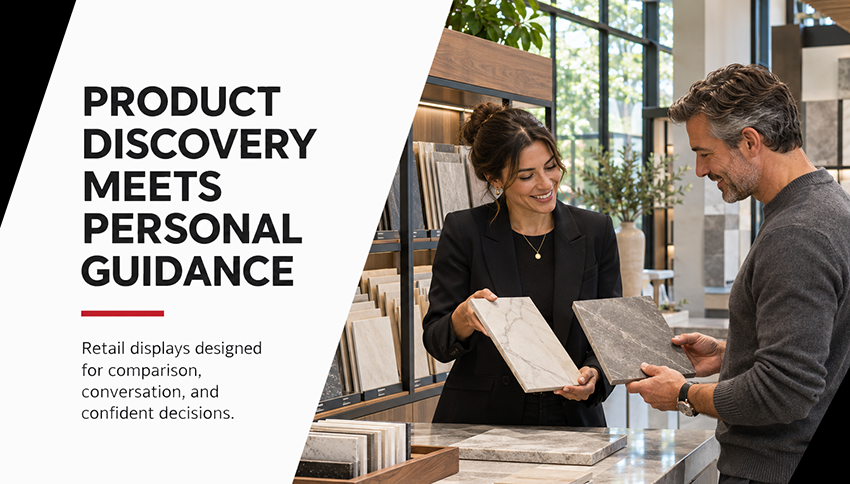
A well-designed retail display attracts attention. A knowledgeable associate helps shoppers understand their options. Retailers are increasingly bringing these experiences together, creating environments where product discovery and personal guidance happen in the same space.
Recent beauty initiatives from Target and Walmart illustrate this approach. Both companies have announced programs pairing product assortments with dedicated assistance. For brands and display manufacturers, these examples raise a practical question: how should a fixture support the conversation happening around it?
The opportunity extends beyond appearance. Retail display design can make products easier to demonstrate, compare, handle, and explain.
Major Retailers Are Investing in Guided Discovery
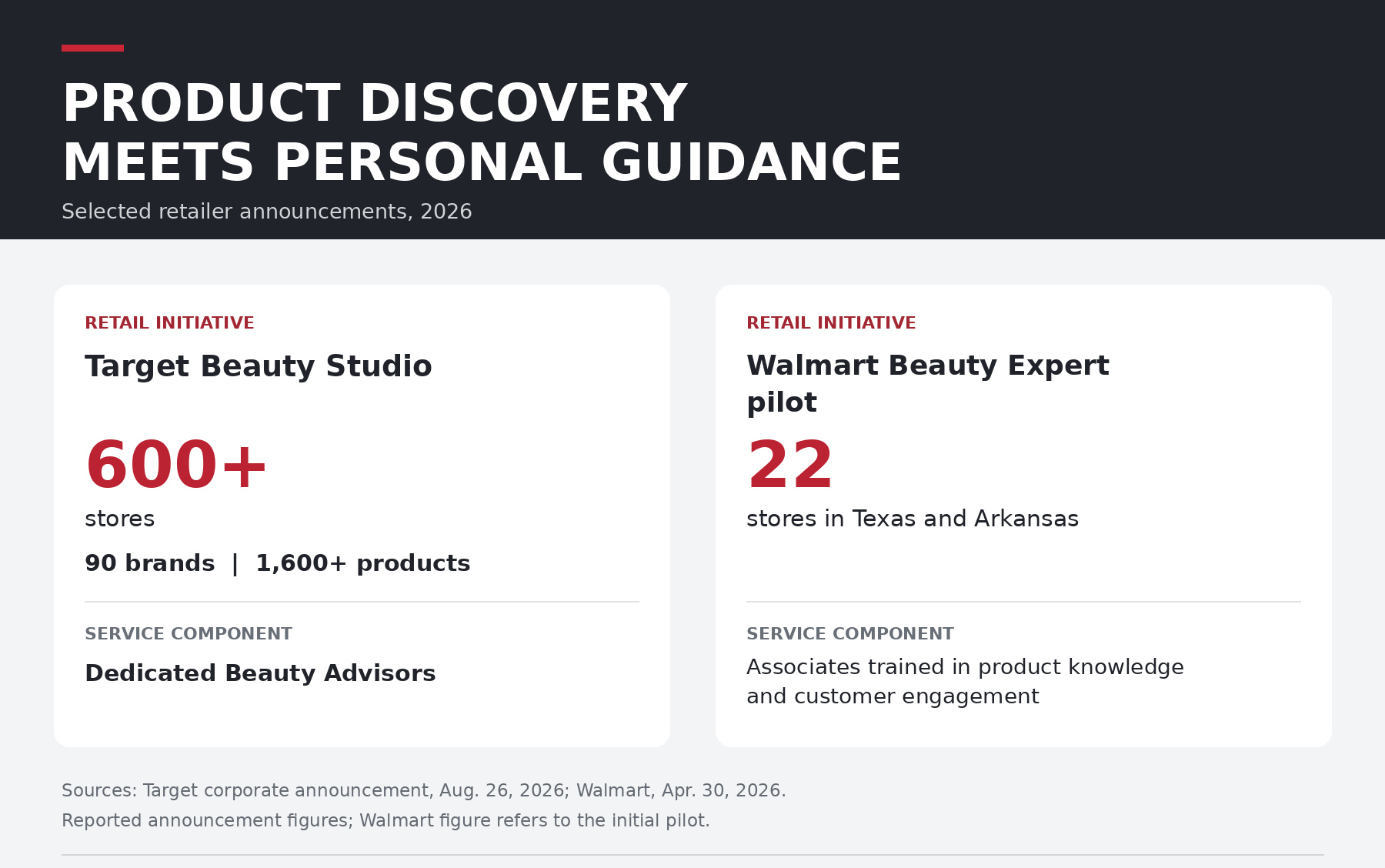
In August 2026, Target announced Target Beauty Studio, scheduled to launch September 10 in more than 600 stores and online. The concept features more than 1,600 products from 90 brands, alongside dedicated Beauty Advisors offering personalized guidance.
Target’s announcement combines specialty product presentation with service, positioning knowledgeable assistance as part of the shopping experience. The assortment gives customers options; advisors help them navigate those choices.
Walmart described a similar emphasis in its April 2026 announcement introducing its Beauty Expert role. The initial pilot involved 22 stores across Texas and Arkansas. Associates received specialized training covering product knowledge, customer engagement, and questions that help identify individual needs.
These initiatives demonstrate investment in guided shopping. They do not, by themselves, establish a specific sales lift. Their relevance to display development is the connection between merchandise, physical space, and human assistance.
Why Product Presentation Needs to Support Conversation
A customer may notice an attractive product without understanding whether it fits their needs. Packaging and signage provide information, but a conversation can address questions specific to that shopper.
In beauty, that conversation might involve comparing shades or discussing a routine. In a flooring showroom, it may involve coordinating tile, cabinetry, and countertop finishes.
The showroom application is a design lesson drawn from these retail examples: when customers need help comparing options, the display should make that comparison easier.
Products need to remain visible and accessible while an associate explains differences. Samples should be easy to retrieve and return. Supporting information should clarify the selection without overwhelming the presentation.
Four Priorities for Retail Display Design
Make Comparison Easy
Arrange products so shoppers can understand differences in finish, size, texture, or application. Clear groupings and consistent labels give associates a useful starting point for explaining options.
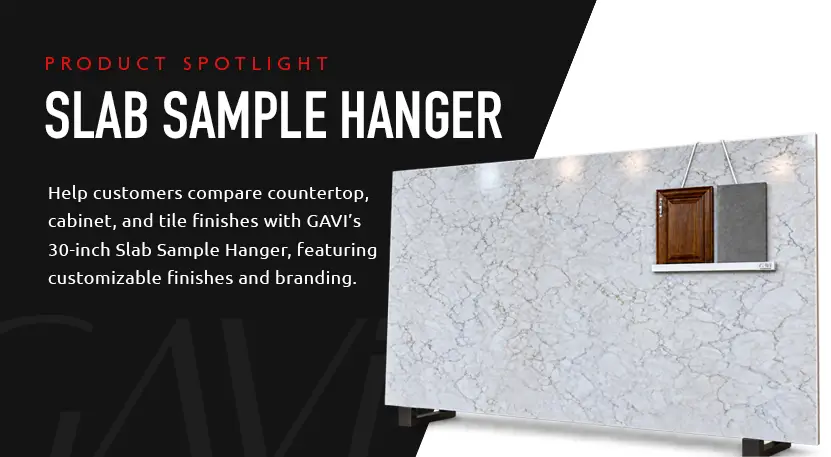
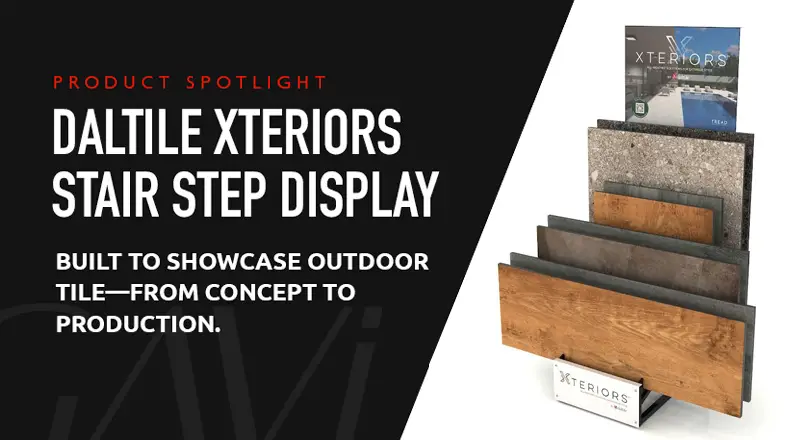
For sample displays, consider whether customers can view complementary materials together. A presentation that supports side-by-side comparison can help turn a general preference into a more specific selection.
Plan for Hands-On Interaction
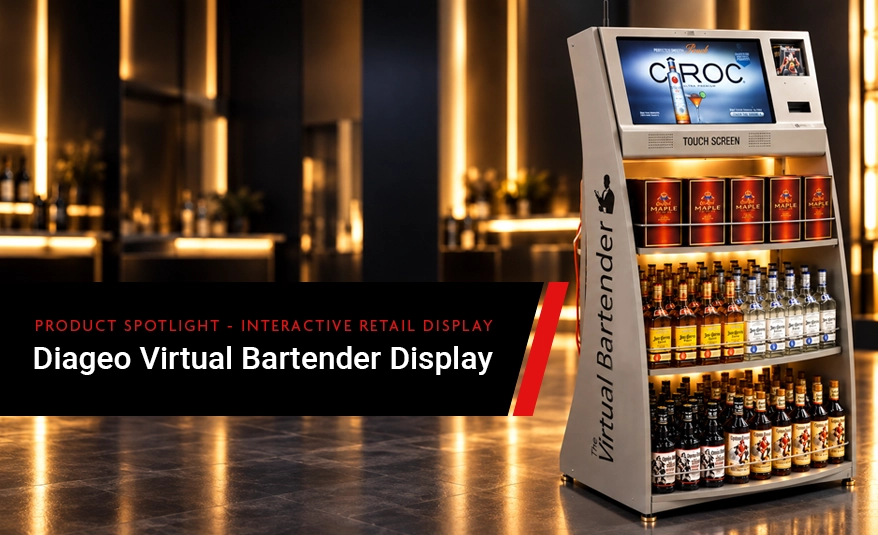
If shoppers are expected to remove samples, rotate a fixture, or try a product, those actions should guide the engineering.
Account for product weight, repeated handling, stable support, and convenient sample replacement. A display may look organized when untouched yet become difficult to use during a consultation. Prototype reviews should include the actual browsing and demonstration sequence.
Give Staff a Practical Workspace
Consider where an associate will place samples, reference information, or demonstrate a feature. Even a small comparison surface can serve a useful purpose when planned around the product.
Staff access also matters. Replenishment, cleaning, and sample organization should be manageable throughout the day. A fixture that supports customers while creating unnecessary work for employees can undermine the intended experience.
Allow the Presentation to Change
Collections, campaigns, and customer questions evolve. Replaceable graphics, adjustable components, and accessible sample holders can help a display remain useful as the assortment changes.
These features should be selected around the program’s actual needs. Flexibility adds value when it simplifies a predictable update, rather than adding complexity without a clear purpose.
What This Means for Brands and Manufacturers
Display planning should begin with the customer’s decision process.
What needs explaining? Which products should be compared? What will customers touch? Where does an associate typically step in?
Answering these questions gives designers and engineers a more complete brief. It also creates a practical basis for reviewing prototypes: test the display with the products, staff tasks, and shopper interactions it is intended to support.
For GAVI Point of Purchase, this creates an opportunity to connect visual presentation with functional display development. GAVI’s design, engineering, prototyping, and manufacturing services support the development of displays around product requirements and retail use.
Need a display that balances durability and cost?
Our semi-permanent POP displays are designed to elevate product presentation while supporting promotions that run for weeks or months. Let GAVI design a solution tailored to your brand and retail environment.
It is an approach that considers how a fixture supports product explanations, demonstrations, and comparisons alongside its merchandising role.
Yes, as a design application. Flooring, tile, hardware, and other categories can benefit from displays planned around questions, sample handling, and guided selection.
Review product accessibility, stability, comparison space, clarity of information, and ease of maintenance. Observe actual consultations and track relevant outcomes before drawing conclusions about performance.
References
Target: Target Launches Target Beauty Studio — August 26, 2026.
Walmart: The Beauty Aisle, Redefined — April 30, 2026.
GAVI Point of Purchase: Retail Display Services — capability reference.