Start With Your Merchandising Requirements
A manufacturer can provide better recommendations when your requirements are clear. Define what the display needs to accomplish and where it will operate. Prepare a brief that includes:- Product dimensions, weights, and sample quantities.
- Available floor, wall, or countertop space.
- Brand guidelines and graphic requirements.
- Expected display lifespan and customer interaction.
- Estimated production quantities and budget.
- Delivery locations and target installation dates.
Look for Relevant Design Experience
A portfolio should demonstrate more than attractive fixtures. Look for evidence that the manufacturer understands product presentation, shopper interaction, and the practical limitations of retail environments.
Ask to see projects with similar product weights, display functions, materials, or distribution requirements. Experience with a comparable challenge may be more useful than experience in your exact industry.
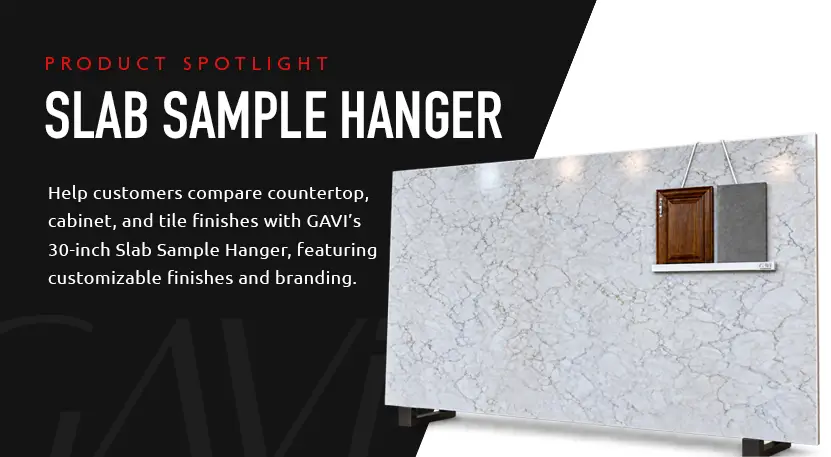
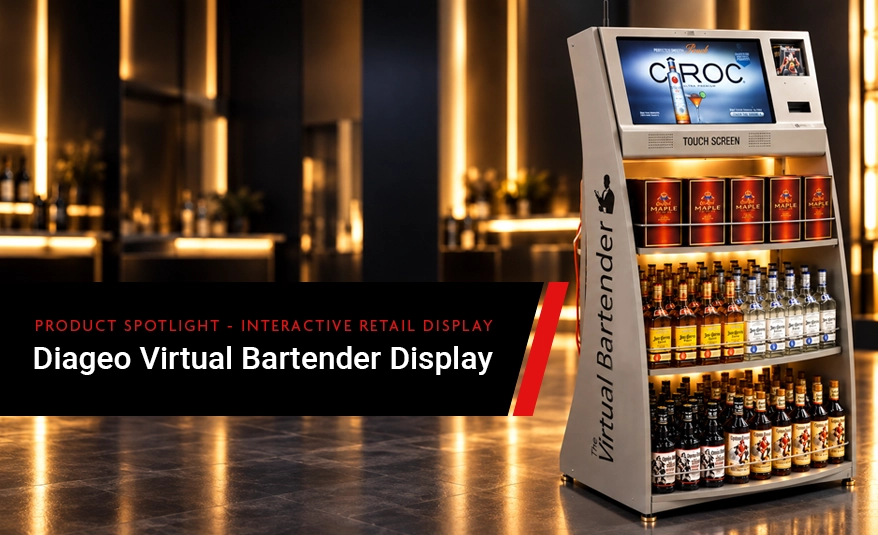
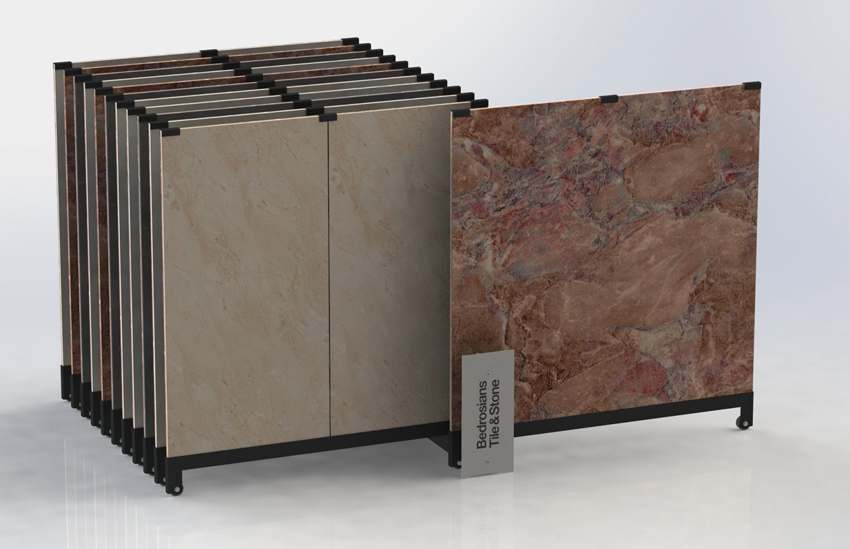
For example, a display with removable flooring samples requires attention to browsing access, sample organization, and repeated handling. A rotating fixture introduces additional considerations around balance, clearance, and moving components.
Ask the manufacturer to explain the problem behind a previous design and how the finished display addressed it.
Evaluate Engineering and Material Selection
Design establishes the visual direction. Engineering determines how the display will function and how it can be manufactured consistently.
A prospective partner should explain material recommendations in relation to product weight, expected use, finish requirements, budget, and shipping conditions. Metal, wood, plastics, and mixed-material construction each offer different possibilities.
Discuss load capacity, stability, connection points, hardware, and assembly requirements. Ask how the design will accommodate repeated customer interaction or future merchandise changes.
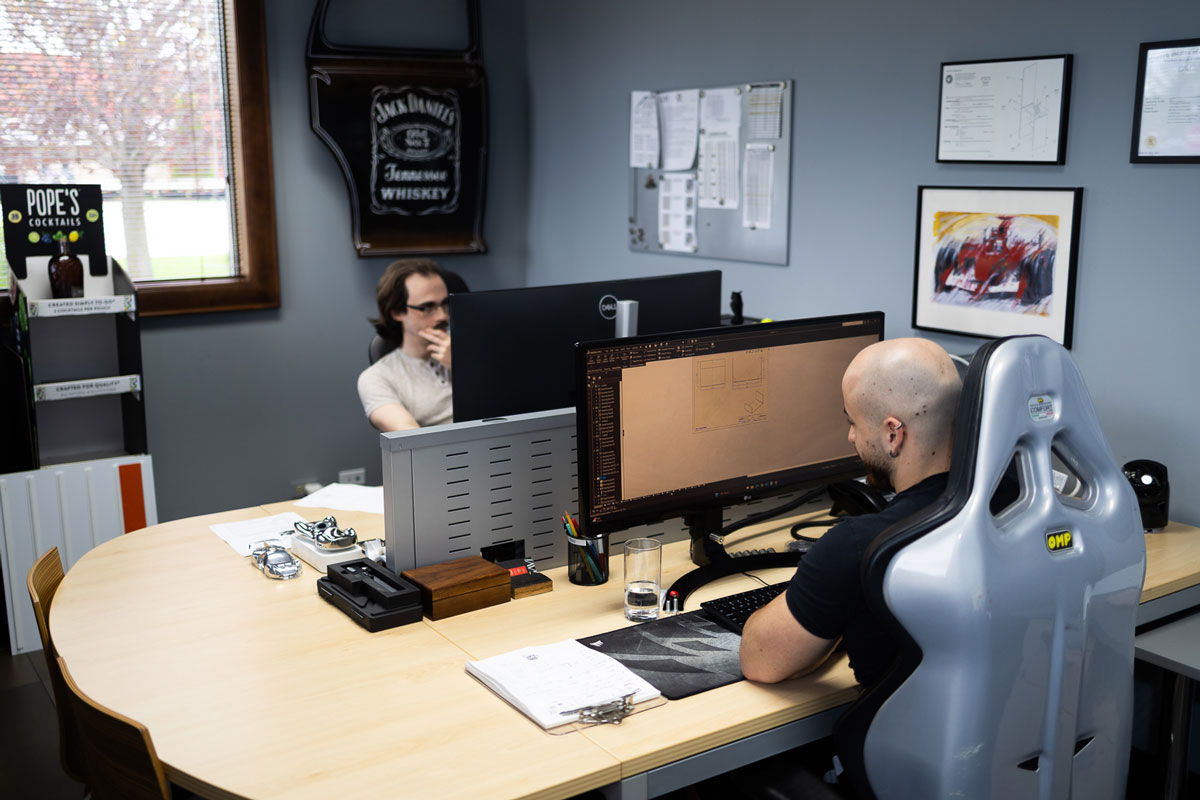
GAVI’s engineering and digital prototype services address structural planning, material selection, component fit, and production feasibility before manufacturing. This review helps connect the approved concept with practical construction requirements.
Confirm the Prototype and Approval Process
Renderings help communicate appearance, but a physical prototype allows your team to evaluate how a display actually works.
Before approving production, review the prototype with the intended products or representative samples. Check product fit, accessibility, finish quality, stability, and assembly.
Ask the manufacturer:
- What does the prototype price include?
- How are revisions handled?
- Which materials and finishes represent final production?
- What requires written approval before manufacturing begins?
Document any differences between the prototype and the final specification. An agreed reference sample, approved drawings, and clear revision records give both teams a shared basis for evaluating production.
Understand Production and Quality Control
Ask how the manufacturer will maintain consistency across the full order. A successful prototype is only one part of a successful display program.
Clarify where production takes place, which processes are handled internally, and how outside suppliers are managed. Establish who is accountable for coordinating components, finishes, graphics, and final assembly.
Quality discussions should cover measurable requirements: dimensions, product fit, finish appearance, hardware completeness, and functional performance. Ask when inspections occur and how discrepancies are resolved.
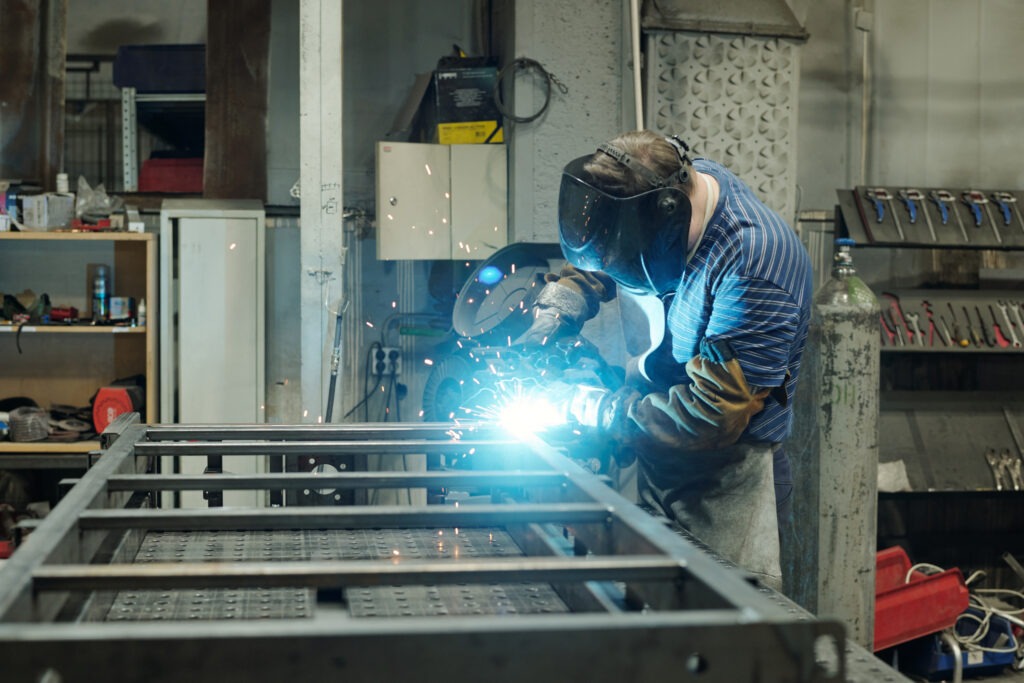
GAVI’s display manufacturing process connects approved design and prototype decisions with production review, packing, and shipping preparation. These stages help keep the finished display aligned with the intended retail application.
Compare Total Program Cost
The lowest unit price does not necessarily produce the lowest overall project cost.
Request an itemized proposal covering design, engineering, prototypes, tooling, production, graphics, packaging, freight, and any storage or fulfillment services. Confirm which charges are one-time expenses and which apply to repeat orders.
Consider installation labor and ongoing maintenance as well. A fixture that takes longer to assemble or requires frequent replacement parts may cost more over its useful life.
When comparing manufacturers, use the same specifications, quantities, and delivery assumptions. Otherwise, seemingly similar quotes may represent substantially different scopes.
Review Fulfillment and Communication
A finished display still needs to reach the right location with the correct components and usable instructions.
Discuss whether units will ship assembled or flat-packed, how they will be protected, and who will coordinate delivery details. For multiple locations, confirm labeling, shipment tracking, phased releases, and the process for reporting missing or damaged components.
GAVI offers warehousing and drop shipping support for programs requiring storage, organized pack-out, and delivery to designated destinations.
Also establish a primary contact and a schedule showing design approvals, prototype review, production, and shipping. Ask which milestones depend on your team and how changes will affect pricing or timing.
Build Your Next Display With GAVI
Choosing a custom retail display manufacturer is an opportunity to improve how your merchandising program works from development through delivery.
GAVI Point of Purchase supports custom display programs with design, engineering, prototyping, manufacturing, and logistics services. Share your product requirements, quantities, budget, and rollout goals so the team can help define the next steps.
Frequently Asked Questions
Look for relevant project experience, practical engineering, a defined prototype approval process, consistent quality control, transparent pricing, and fulfillment capabilities that match your rollout.
Not necessarily. Start with product details, dimensions, display goals, quantities, budget, and timing. Confirm whether the manufacturer offers design and engineering support to develop your initial concept.
Materials, dimensions, structural complexity, finishes, graphics, production quantity, tooling, packaging, and delivery requirements all affect cost. Compare complete program estimates using matching specifications.
Timing depends on design development, prototype revisions, material availability, production quantity, and shipping requirements. Request a project-specific schedule that includes approval deadlines and delivery milestones.
A prototype allows you to evaluate product fit, appearance, stability, assembly, and usability before committing to the full order. It also helps establish an approved reference for production.